
Annapurna Base Camp - “Permits, Budget & Planning”
Annapurna Base Camp Trek Budget Guide (Simple & Honest)
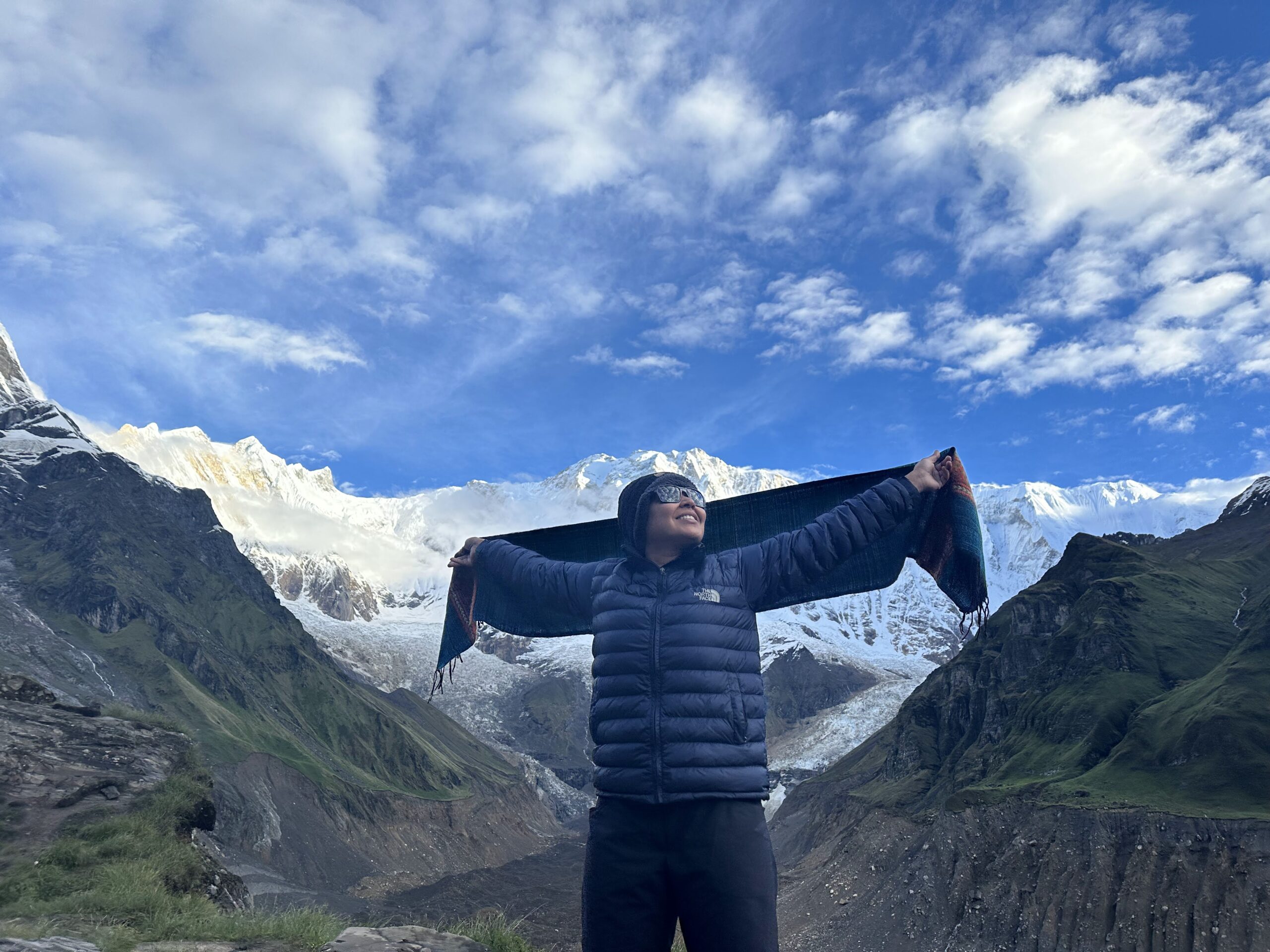
The mountains don’t always welcome you with sunshine.
Sometimes they test your patience, your strength, and your faith.
Hello, fellow adventurers and mountain lovers! I'm Neetu, the Rajasthani woman who's trekking through monsoons and chasing Himalayan dreams on grit alone. If you’re planning the Annapurna Base Camp (ABC) trek and wondering how much money you’ll need, this guide will help you understand the costs in a simple way. Whether you’re traveling on a tight budget or want a bit more comfort, ABC can fit different travel styles.
What Makes Annapurna Base Camp So Special?
The Annapurna Base Camp trek is not just about reaching a destination — it is about walking into the heart of the Himalayas. People from all over the world choose this trek because it offers everything in one journey: diverse landscapes, rich culture, and close-up views of some of the world’s highest mountains. In just a few days, the trail changes from terraced farmlands and rhododendron forests to glaciers, alpine valleys, and towering snow peaks. What makes ABC truly special is that it takes you inside the Annapurna Sanctuary, a natural amphitheater surrounded by giants like Annapurna I, Machhapuchhre (Fishtail), Hiunchuli, and Annapurna South. Unlike many treks where peaks are seen from a distance, here the mountains rise right in front of you — raw, massive, and humbling. The trek is also deeply emotional: prayer flags fluttering on suspension bridges, warm tea houses run by locals, shared stories with strangers, and the silence of the high Himalayas. Many people do this trek not only for adventure, but to reconnect with themselves — because Annapurna doesn’t just test your legs, it heals your soul.

Overall Budget Idea
Shoestring / Backpacker style
If you travel independently and keep things basic, you can complete the trek in INR 25,000–35,000 for 7–10 days.
This usually includes permits, food, simple teahouse stays, and local transport.
Comfortable teahouse trek with a guide
If you book through a local agency and include a guide (and sometimes a porter), expect to pay around USD 400–600(roughly INR 35,000–50,000).
The final cost depends on how many days you trek and what services are included.
Permits required for ABC
For ABC you now mainly need two permits : ACAP (Annapurna Conservation Area Permit) Cost for Indians / SAARC: around NPR 1,000 per person and TIMS Card (Trekkers’ Information Management System) Cost for independent trekkers is around NPR 2,000 (less in groups). you can easily get it in Tourism office in Pokhara or Kathmandu (ACAP counter). Carry passport, 2 photos and cash in NPR. Keep multiple photocopies of your passport and permits; checkpoints can appear at random bridges and village entries.
Transportation Cost: Pokhara to Annapurna Base Camp (Up & Down)
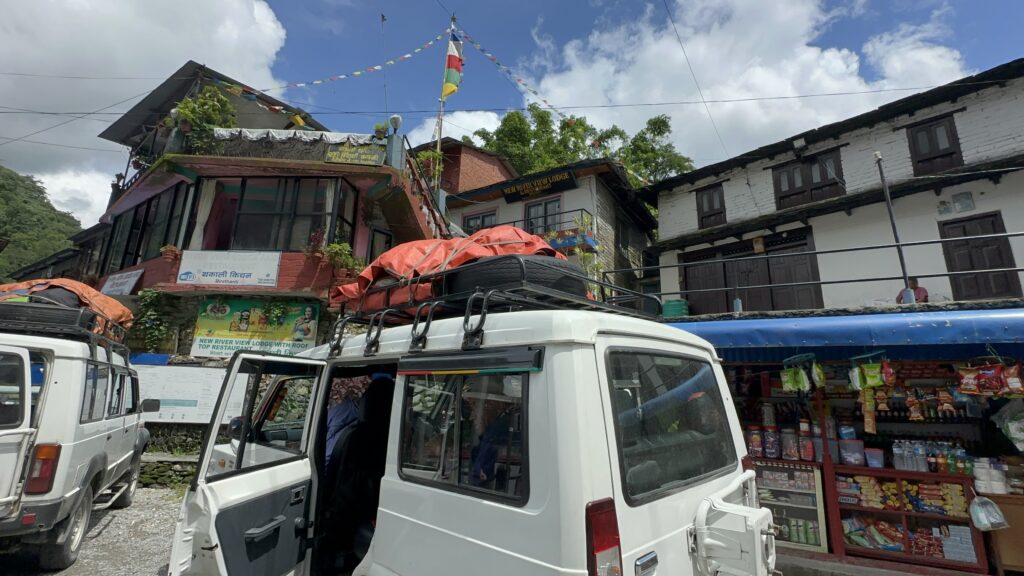
Pokhara is the main base for the Annapurna Base Camp trek. From Pokhara, you first travel to the trek starting point and then return to Pokhara after completing the trek.
Where to Get Local Buses in Pokhara
Local buses to ABC trek starting points usually leave from Baglung Bus Park or nearby local bus stops in Pokhara.
You can ask for buses going to Nayapul, Ghandruk, or Jhinu Danda
Buses usually start early in the morning, so it’s better to reach the bus park before 7–8 AM
Cost (one way):
NPR 500–800 per person
Local buses are slow and basic but very budget-friendly.
Where to Get Shared Jeeps in Pokhara
Shared jeeps are easily available around Hari Chowk, Baglung Bus Park, and sometimes near Lakeside travel counters.
You can directly ask around or check with your hotel or nearby travel shops
Shared jeeps leave once they are full
Cost (one way):
NPR 1,500–2,000 per person
Shared jeeps are faster and more comfortable, especially if roads are rough.
Drop Points / Trek Starting Locations
Depending on your trekking route, these are the common drop points:
Nayapul
This is the most common starting point for the ABC trek. From here, you start walking towards Tikhedhunga / Ulleri / Ghandruk.Ghandruk
Some jeeps go directly to Ghandruk. This is a popular starting point if you want a shorter and scenic route.Jhinu Danda
Many trekkers choose Jhinu as a starting or ending point. It is also famous for natural hot springs, which feel amazing after the trek.
Returning to Pokhara After the Trek
Most trekkers finish the trek at Jhinu Danda or Nayapul.
From both places:
Local buses are available back to Pokhara (NPR 500–800)
Shared jeeps are also easily available (NPR 1,500–2,000)
Your teahouse owner or local shopkeepers can guide you to the correct pickup point.
Total Transport Cost (Up & Down)
Local bus both ways: around NPR 1,000–1,600
Shared jeep both ways: around NPR 3,000–4,000
Helpful Tips
Try to start early in the morning for smoother travel.
During peak season, shared jeeps fill up fast, so booking a seat one day in advance is a good idea.
Road conditions depend on weather, so always keep some buffer time.
Final Thoughts
Transportation for the Annapurna Base Camp trek is simple and affordable. Whether you choose a local bus or a shared jeep, both options work well. Choose based on your budget, comfort, and how much energy you want to save for the trek.
Stay Options on the Annapurna Base Camp Trek (What to Expect)
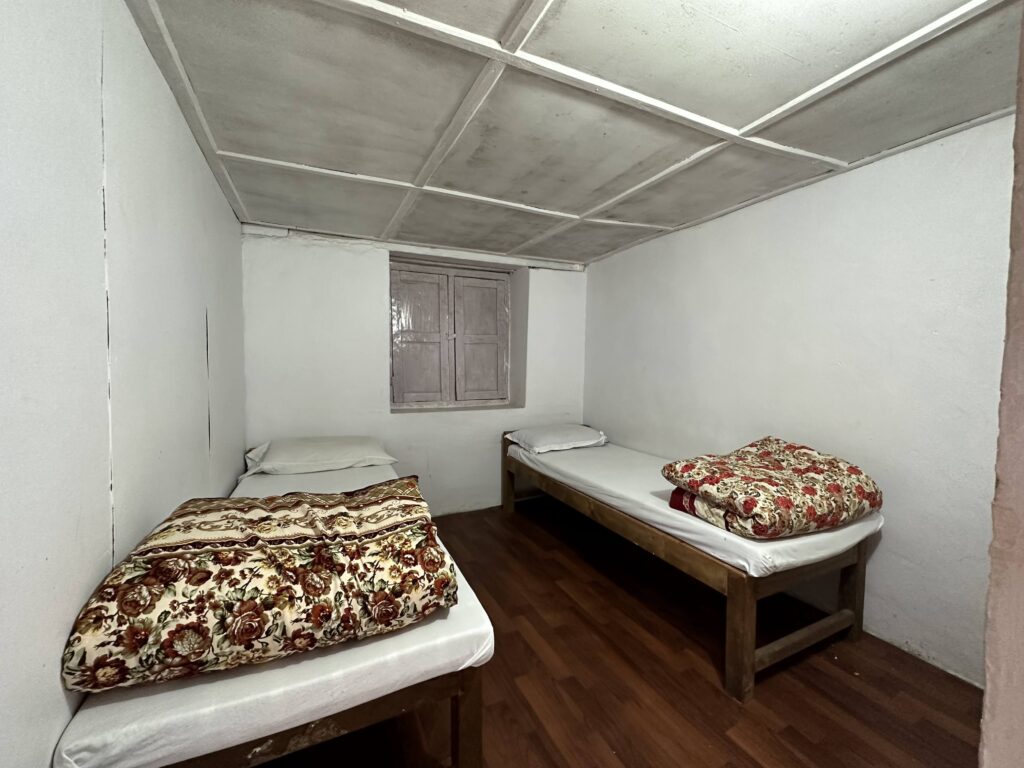
Accommodation on the Annapurna Base Camp trek is in teahouses. These are simple mountain guesthouses run by local families. Compared to the Everest region, the Annapurna area is smaller and has fewer teahouses, especially as you go higher.
Because of this, if you are trekking during peak season (March–May and September–November), it is a good idea to book your stay in advance. During busy times, I have heard that overcrowding can happen. In such situations, trekkers may have to sleep in the kitchen area or common dining hall, where the teahouse usually provides a mattress and blanket.
If you are traveling solo, planning your stays in advance becomes even more important. I am also sharing a list of hotels with contact numbers (uploaded separately), which can help you call and reserve rooms before you reach.
Do not expect comfort or luxury. Remember, you are in the mountains.
Most teahouse rooms are shared, usually with 2–4 beds, and in some places even 5–6 beds in one room. Bathrooms are mostly common washrooms, not attached.
Room Cost
Just for staying (room only): NPR 300–600 per night
Price depends on the season and location
Rooms are cheaper at lower villages and cost more as you go higher
Important Stay Tip: Deurali vs Himalaya
It is better to stay at Deurali instead of Himalaya.
The altitude gain is manageable, and Deurali has slightly better and more affordable options.
By staying at Deurali, you can save almost NPR 500–800 on food and meals, as prices at Himalaya are higher due to fewer guesthouses and difficult supply routes.
Stay at Annapurna Base Camp (ABC)
Annapurna Base Camp is the last stop, and accommodation is very limited. There are only 4 guesthouses at ABC.
Room cost at ABC can go up to NPR 1,000 per night
There is no regular electricity here
Guesthouses use solar panels, so electricity is available only for 1–2 hours in the evening
Make sure to charge your power banks properly before reaching ABC and plan backups. Once you start descending, charging becomes easier again.
Extra Charges at Teahouses (Very Common)
Almost every teahouse charges extra for basic facilities:
Hot water bath: NPR 200–400
Charging phone / power bank: NPR 150–300 per device
Wi-Fi: NPR 200–400 (speed is usually slow)
Blanket (if extra): sometimes free, sometimes NPR 100–200
Prices increase as altitude increases.
Final Thoughts on Stay
Teahouses on the ABC trek are basic but functional. They give you a warm place to sleep, hot food, and shelter from the cold. Comfort is limited, but the mountain experience makes up for it.
Plan ahead, keep expectations realistic, and remember—simple living is part of the adventure.

Food Cost on the Annapurna Base Camp Trek (What You’ll Actually Eat)
Food on the Annapurna Base Camp trek is simple, filling, and meant to give you enough energy for long walking days. The good thing is that food is easily available at every guesthouse and small café along the trail.
The most common and popular meal on the trek is the Nepali Thali, also known as dal bhat. It usually includes rice, lentil soup (dal), vegetable curry, papad, and sometimes saag (green leafy vegetables). Many places also serve a small dried local pickle that looks like a salad. This meal is available in almost every guesthouse and café along the route.
A Nepali thali generally costs NPR 400–500 in most villages. After Deurali, prices start increasing, and the same thali may cost around NPR 500–700. Dal bhat is a favorite among trekkers because it is filling, tasty, and often comes with free refills.
For breakfast, you’ll find simple and comforting options like porridge (dalia), Tibetan bread with jam, pancakes, and similar items. Breakfast usually costs around NPR 300–400, depending on the place and what you order.
Hot drinks are available everywhere and feel amazing in cold mountain weather. Ginger honey lemon tea, green tea, or any hot soup or drink usually costs around NPR 200–300.
Packaged items like chips, cold drinks, chocolates, and water bottles are also sold along the trail. However, they are expensive, often double the MRP, because all these items are carried up by mules or porters, which increases the cost.
At some places, you’ll even find surprisingly good food. Chhomrong is famous for its yummy pizza. Eating pizza in the middle of the mountains is a fun experience and totally worth trying. It usually costs around NPR 800–1,000.
Alcohol and imported liquor are available in many villages, but they are quite expensive. Also, alcohol is not advisable during trekking, as it can affect your stamina and acclimatization.
And of course, “pahadon wali Maggi” (mountain Maggi noodles) is available almost everywhere. It’s quick, warm, and feels extra tasty after a long trekking day.
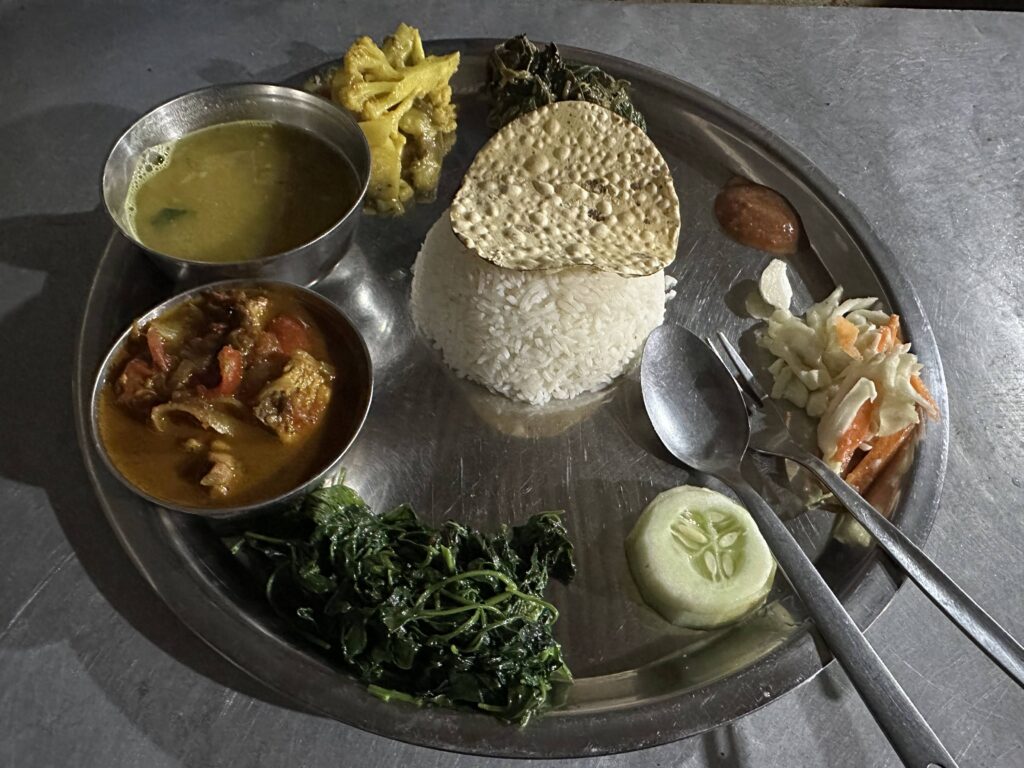
So, if you eat three proper meals a day—breakfast, lunch, and dinner—you should expect to spend around NPR 1,300–1,500 per day on food during the trek.
| Food Item | Price (NPR) | Notes |
|---|---|---|
| Breakfast (pancakes, porridge) | 400–700 NPR | Common at lower villages. |
| Lunch (dal bhat, fried rice) | 500–800 NPR | Standard trek meal, higher above 3,500m. |
| Dinner (noodles, thukpa) | 500–900 NPR | Heavier options for evenings. |
| Tea / Coffee/soup | 100–200 NPR per cup | Essential for warmth on trail. |
| Snacks (momo, biscuits) | 150–400 NPR | Quick bites between lodges. |
| Daily Food Total | 2,000–3,000 NPR | For 3 meals + snacks, independent trekker. |
Gear Checklist for Annapurna Base Camp Trek (What You Really Need)
You don’t need expensive or fancy gear to do the Annapurna Base Camp trek. If you plan properly, you can either carry your own gear or rent most items in Pokhara at reasonable prices. Renting is a great option, especially for solo or budget travelers.
Below is a simple checklist of what you should carry.
Annapurna Base Camp (ABC) is stunning and very doable if you pack smart. The key is layering + keeping it light. Here’s a no-fluff checklist of what you actually need (not the “pack your whole house” version).
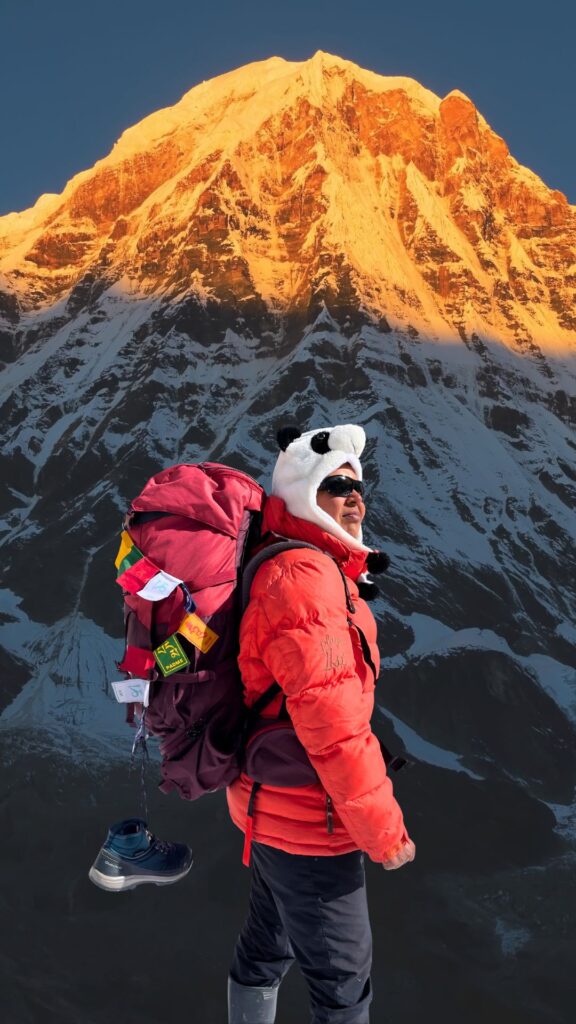
Backpack & Bags (Non-negotiable)
Backpack (40–50L) – ideal size if you’re using teahouses
Rain cover for backpack – weather changes fast
Dry bags / ziplocks – for clothes & electronics
Clothing (Layering is king)
Upper Body
2–3 moisture-wicking base layers (merino or synthetic)
1 warm mid-layer (fleece or light down)
1 insulated jacket (down or synthetic – MUST have)
Waterproof shell jacket (wind + rain protection)
Lower Body
2 trekking pants (quick-dry)
1 thermal base layer (for higher altitude & nights)
Waterproof shell pants (lightweight)
Underwear & Socks
3–4 underwear
3–4 pairs trekking socks (merino = less smell)
1 warm sleep sock (luxury worth carrying)
Footwear
Well-broken-in trekking boots (water-resistant)
Light sandals / flip-flops (teahouses, evenings)
Gaiters (optional) – helpful if snow or mud
Cold & Sun Protection (Very Important)
Warm hat / beanie
Sun hat or cap
Buff / neck gaiter (multi-use hero)
Gloves (insulated, not cotton)
Sunglasses (UV protection)
Sleeping Gear
Sleeping bag (rated –10°C to –15°C)
sleeping bag is optional and mainly for hygiene. If you’re not traveling during winter,
you can skip it since guesthouses provide blankets.
Silk sleeping bag liner (optional) – warmth + hygiene
Toiletries & Personal Items
Toothbrush + toothpaste
Quick-dry towel
Sunscreen (SPF 30+)
Lip balm with SPF
Wet wipes (gold at altitude)
Hand sanitizer
Basic meds + blister care
Toilet paper (buy extra on trail)
Hydration & Food
2 water bottles or hydration bladder
Water purification (tablets, drops, or filter)
Electrolyte packets
Snacks (protein bars, nuts, chocolate)
Trekking Gear
Trekking poles (save knees BIG time)
Headlamp (power cuts are common)
Spare batteries / power bank
Electronics & Documents
Phone + charging cable
Power bank (10,000–20,000 mAh)
Camera (optional)
Passport copy + permits (TIMS & ACAP)
Some cash (no ATMs after Nayapul)
❌ What You DON’T Need
❌ Heavy jeans
❌ Too many clothes (“just in case” kills backs)
❌ Full toiletries bottles
❌ Fancy outfits (no one cares up there)
Pro Tips (from people who learned the hard way)
You can rent/buy gear in Pokhara cheaply
Pack light: aim for 8–10 kg max
Laundry is rare—re-wear smart
If using a porter, still keep essentials in daypack
You don’t need expensive or fancy gear to do the Annapurna Base Camp trek. If you plan properly, you can either carry your own gear or rent most items in Pokhara at reasonable prices. Renting is a great option, especially for solo or budget travelers.
Below is a simple checklist of what you should carry.
Nice choice—Annapurna Base Camp (ABC) is stunning and very doable if you pack smart. The key is layering + keeping it light. Here’s a no-fluff checklist of what you actually need (not the “pack your whole house” version).
Backpack & Bags (Non-negotiable)
Backpack (40–50L) – ideal size if you’re using teahouses
Rain cover for backpack – weather changes fast
Dry bags / ziplocks – for clothes & electronics
Clothing (Layering is king)
Upper Body
2–3 moisture-wicking base layers (merino or synthetic)
1 warm mid-layer (fleece or light down)
1 insulated jacket (down or synthetic – MUST have)
Waterproof shell jacket (wind + rain protection)
Lower Body
2 trekking pants (quick-dry)
1 thermal base layer (for higher altitude & nights)
Waterproof shell pants (lightweight)
Underwear & Socks
3–4 underwear
3–4 pairs trekking socks (merino = less smell)
1 warm sleep sock (luxury worth carrying)
Footwear
Well-broken-in trekking boots (water-resistant)
Light sandals / flip-flops (teahouses, evenings)
Gaiters (optional) – helpful if snow or mud
Cold & Sun Protection (Very Important)
Warm hat / beanie
Sun hat or cap
Buff / neck gaiter (multi-use hero)
Gloves (insulated, not cotton)
Sunglasses (UV protection)
Sleeping Gear
Sleeping bag (rated –10°C to –15°C)
sleeping bag is optional and mainly for hygiene. If you’re not traveling during winter, you can skip it since guesthouses provide blankets.Silk sleeping bag liner (optional) – warmth + hygiene
Toiletries & Personal Items
Toothbrush + toothpaste
Quick-dry towel
Sunscreen (SPF 30+)
Lip balm with SPF
Wet wipes (gold at altitude)
Hand sanitizer
Basic meds + blister care
Toilet paper (buy extra on trail)
Hydration & Food
2 water bottles or hydration bladder
Water purification (tablets, drops, or filter)
Electrolyte packets
Snacks (protein bars, nuts, chocolate)
Trekking Gear
Trekking poles (save knees BIG time)
Headlamp (power cuts are common)
Spare batteries / power bank
Electronics & Documents
Phone + charging cable
Power bank (10,000–20,000 mAh)
Camera (optional)
Passport copy + permits (TIMS & ACAP)
Some cash (no ATMs after Nayapul)
❌ What You DON’T Need
❌ Heavy jeans
❌ Too many clothes (“just in case” kills backs)
❌ Full toiletries bottles
❌ Fancy outfits (no one cares up there)
Pro Tips (from people who learned the hard way)
You can rent/buy gear in Pokhara cheaply
Pack light: aim for 8–10 kg max
Laundry is rare—re-wear smart
If using a porter, still keep essentials in daypack
Budget breakdown in USD, NPR & INR
| Expense Category | Estimated Cost (USD) | Estimated Cost (NPR) | Estimated Cost (INR) | Notes / Tips |
|---|---|---|---|---|
| Flights to/from Nepal | 600–1,200 | 79,800–159,600 | 49,800–99,600 | Varies by origin country |
| Domestic Transport (Pokhara) | 10–20 | 1,330–2,660 | 830–1,660 | Bus or taxi from Pokhara to Nayapul |
| Trekking Permits | 40–50 | 5,320–6,650 | 3,320–4,150 | ACAP + TIMS permits |
| Guide / Porter | 150–250 | 19,950–33,250 | 12,450–20,750 | Optional but recommended |
| Accommodation | 5–15 per night | 665–1,995 per night | 415–1,245 per night | Tea houses along the trail |
| Food & Drinks | 15–25 per day | 1,995–3,325 per day | 1,245–2,075 per day | Three meals + snacks + tea/coffee |
| Gear & Equipment Rental | 50–100 | 6,650–13,300 | 4,150–8,300 | Boots, down jacket, sleeping bag if needed |
| Water & Snacks | 5–10 per day | 665–1,330 per day | 415–830 per day | Water purification tablets + trekking snacks |
| Souvenirs & Miscellaneous | 20–50 | 2,660–6,650 | 1,660–4,150 | Small gifts, local items, emergencies |
| Travel Insurance | 50–100 | 6,650–13,300 | 4,150–8,300 | Must cover high-altitude trekking |
Estimated Total Budget: USD: $900–1,900 NPR: 119,700–252,700 INR: 74,700–157,700
Trekking to Annapurna Base Camp is a once-in-a-lifetime adventure that can fit a variety of budgets. With careful planning of permits, accommodation, food, and essential gear, you can enjoy the trek comfortably without overspending. Optional services like guides or gear rental add safety and convenience but are not strictly necessary. By keeping your expenses in check and knowing the costs in USD, NPR, and INR, you can focus entirely on soaking in the stunning Himalayan scenery, the warm hospitality of local teahouses, and the thrill of reaching the base camp—making every rupee and dollar worth it.
Budget Travel Hacks for ABC
Pick off-season like I did with monsoon—fewer people means calm trails, empty guesthouses, and rain adds its own thrill with waterfalls everywhere. Less crowds, more peace.
Guides are now required by trail rules. Blogs say it costs NPR 2,500–3,500 per day, so team up with others to share the expense. I recommend Three Sisters Trekking company for the guide—they have professional, skilled women guides, perfect if you’re female and want extra safety. Don’t think female guides aren’t suitable; believe me, they’re smarter, more empathic, and handle everything brilliantly.
Why Three Sisters specifically? It’s a non-profit organization promoting female safety (a big question for solo women travelers), and they empower single, needful women with real job opportunities.
Guesthouses have empty rooms then, so negotiate deals like stay plus dinner for just NPR 800. you can Save a ton.
Strap a lightweight solar charger plate on top of your backpack—it catches sun all day and skips lodge charging fees.
WiFi up there is super slow anyway, so don’t waste money on it. Mobile data works fine for basics.
Skip baths or limit to once or twice the whole trek. Hot water costs extra, and it’s freezing high up.
Don’t rent shoes—they’re often smelly and risky for infections from past users. I learned that mistake; buy sturdy ones for NPR 2,500–3,000 as a smart investment for more treks ahead.
For backpacks, jackets or gear, shop Thamel Market in Kathmandu, not Pokhara Lakeside. Thamel is 30-40% cheaper with better variety—Lakeside is touristy and pricier.If buying gear in Kathmandu, go straight to Ram Dai—he’s genuine, offers reasonable prices, and explains exactly why you need (or don’t need) each item. I checked every shop but found him the best; honest man who saves you money. Less time? Head there directly—everything under one roof with tons of variety. Here’s his address and number: [Add Ram Dai’s Thamel shop details here].
These simple tricks cut my costs in half—perfect for your next adventure!


